

Support Lifelong Wellness Through Routine Care
Preventing illness or disease from occurring in your pet is just as important, if not more important, than curing it. That’s why our professional and experienced veterinarians and staff at Ark Veterinary Hospital & Urgent Care are dedicated to providing our patients with a personalized and thorough preventative care program.
Examinations
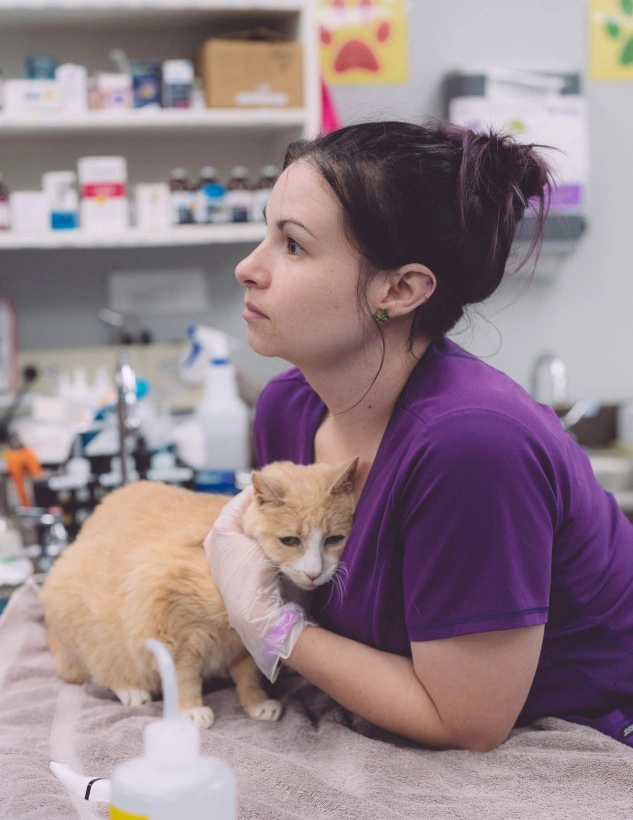
Routine examinations are a critical part of the wellness process at all stages of life, allowing our veterinary doctors to determine a personalized care program for your pet and ensure they stay fit and healthy. Unfortunately, our animals don’t have voices to tell us when they aren’t feeling their best, which is why physical examinations are critical throughout an animal’s life. Examinations will include weighing your pet, looking into their ears and eyes, checking the mouth, gums, skin, and coat, and palpating the abdomen.
Puppies & Kittens
It is highly recommended that puppies and kittens receive exams at 8, 12, and 16 weeks of age. Since they are young and grow so rapidly, diseases and abnormalities can manifest very quickly, making early detection critical.
Adult Canines & Felines
For healthy dogs and cats in the middle stages of their lives, annual health examinations are recommended.
For small dogs and cats 8 years and older and giant-breed dogs 5 years and older, we encourage owners to bring their pets in for bi-annual wellness exams. As animals age, they become increasingly susceptible to disease and illness, which is why it’s important that a veterinary doctor sees senior pets more frequently than their younger counterparts.
Exotics
Exotic animals often don’t show signs of illness or disease until it poses a very serious threat to their health, which is why we suggest a bi-annual examination for all exotic pets. In order to keep your exotic pet in top condition, it’s vital to have them regularly checked over by a veterinary doctor.
Vaccinations
Vaccinations are absolutely essential in helping prevent and control potentially dangerous diseases in your pet. Ensuring that your pet’s vaccinations are kept up to date is a critical aspect of pet ownership! The following vaccines are essential for your cat or dog and should be updated annually.

Dogs
- Rabies
- DHPP (distemper, hepatitis, parvo, parainfluenza)
- Bordetella
- Leptospirosis
- Lyme Disease

Cats
- Rabies
- FVRCP (rhinotracheitis, calicivirus, panleukopenia)
- Feline Leukemia

Ferrets
- Distemper
- Rabies
Parasite Control
Parasites such as fleas, ticks, mosquitoes, and worms can be more than just a troublesome annoyance, they can cause risk to animals if left untreated. In order to avoid the diseases and illnesses that parasites can cause, and to stop them from spreading to other animals, it’s important that your veterinary doctor administers preventative treatments.
As with many other aspects of health and wellness, prevention is often a much more optimal option than treatment. The staff at Ark Veterinary Hospital & Urgent Care can effectively help prevent parasites from causing your pet any discomfort or illness. It is highly recommended that your pet undergoes annual testing for parasites, in particular worms, heartworm, fleas, and ticks.
These parasites can be dangerous for your dog and cat, but fortunately, testing and prevention are simple methods, provided it is administered regularly. An Ark Veterinary Hospital & Urgent Care doctor will take a fecal sample from your pet and test for worms. If worms are detected, your pet will be administered a deworming treatment to take care of the problem. Deworming is typically recommended on a set schedule. Dogs and cats should also receive yearly heartworm testing. Undetected heartworms that are left untreated can be fatal to dogs and cats, which is why regular testing and prevention is paramount.
Microchipping
Sadly, 90% of pets without identification never make it home to their owners, and one in three pets will get lost at some point in their lifetime. Unfortunately, no matter how careful you are with your pet, there’s no way of completely guaranteeing that they will never get lost. Lost pets that are brought to animal shelters and animal hospitals, or are found by a passerby, have a significantly higher chance of being reunited with their owner if they have some form of identification. Traditional tags that attach to collars aren’t always reliable, and can easily be lost if your pet catches them on something or slips out of their collar.
Microchips are a tiny piece of equipment that is inserted under the skin between the shoulder blades of your dog or cat in a quick and pain-free procedure. The microchip will carry the owner’s contact information so that you can be more easily reunited with your lost pet.
You can register your pet’s microchip in the national pet-finding database, HomeAgain, so that animal care professionals will have a way of contacting you. If you ever move or change phone numbers, don’t forget to update your pet’s microchip information.
Nutrition & Weight Management
Just like with people, obesity can cause serious problems and health issues for pets! It’s important to effectively manage your pet’s weight to give them the best chance at living a long and healthy life. Obesity in pets is on the rise, and it is now estimated that, in the United States, over half of all cats and dogs are overweight or obese.
Our veterinary doctors and staff here at Ark Veterinary Hospital & Urgent Care consider it important to aid our patients in maintaining ideal body weight. We take pride in teaching our pet owners how to feed a healthy and well-balanced diet to their pets.
Excess amounts of fat in pets can cause a wide variety of issues, including high blood pressure, respiratory disorders, kidney dysfunction, liver disease, chronic inflammation, orthopedic disease, skin disorders, and cancer. Not only can these problems be uncomfortable or painful for an animal, but they can also diminish their quality and length of life.
Weight gain in pets is gradual, so it’s not always easy to notice a few extra pounds, often until the issue is more serious than you might have initially thought. For small dogs and cats, it only takes a few pounds to make a huge difference in their health and quality of life.
Your veterinarian will be able to help you maintain a healthy and balanced diet for your pet, which will aid in keeping their weight healthy. They can also provide you with assistance if your pet needs to lose a few pounds!